
Puberty and Adolescence in Autism: A Complete Guide for Families
Body changes, periods, mood, school, privacy, and consent for autistic tweens and teens — practical guidance without panic or shame.

Articles in the "Guide" category.
Body changes, periods, mood, school, privacy, and consent for autistic tweens and teens — practical guidance without panic or shame.

Why autistic children leave safe spaces, how to lower risk without constant panic, and what to do before and after a missing-child emergency.
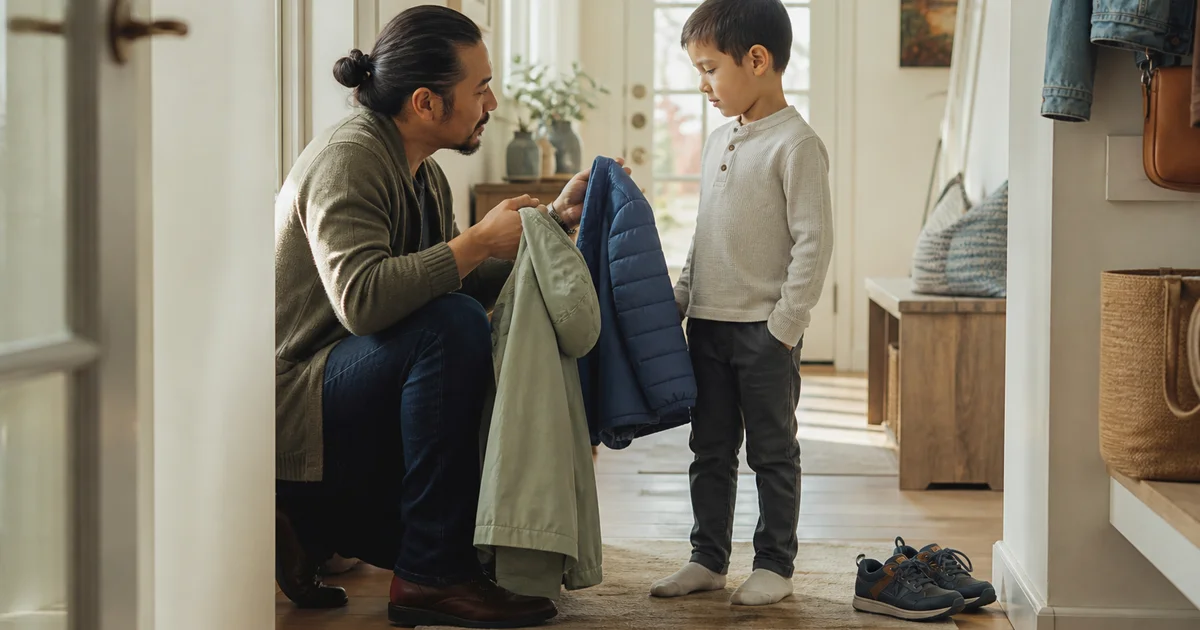
What extreme demand avoidance looks like, why PDA is contested, how it differs from ODD, and what actually reduces panic — without dropping safety.
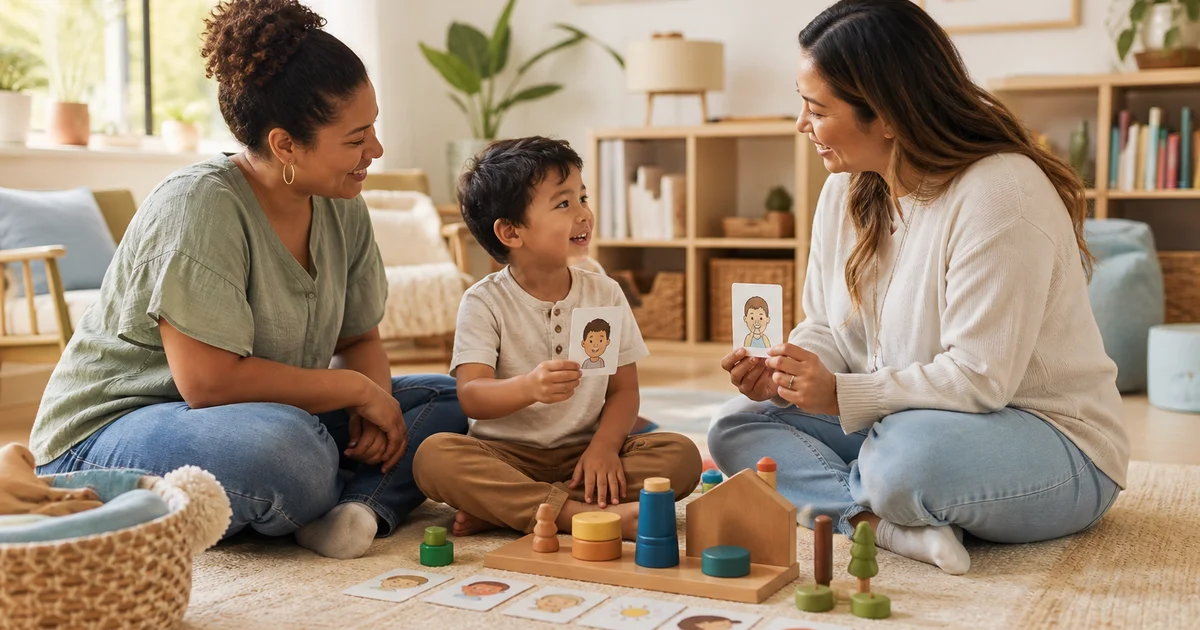
A complete map of ABA models — DTT, NET, PRT, ESDM, FCT — and the real difference between a supervised clinical program and independent parent practice at home.

Tactile hypersensitivity can shrink an adult wardrobe to three items, block job applications that require a uniform, and trade comfort for self-expression. What research shows and what still is not sold.

The layer against the skin is where most clothing wars start: sock seams, waistbands, bras, shoes, nappies, and the pyjamas that become the only safe clothes.
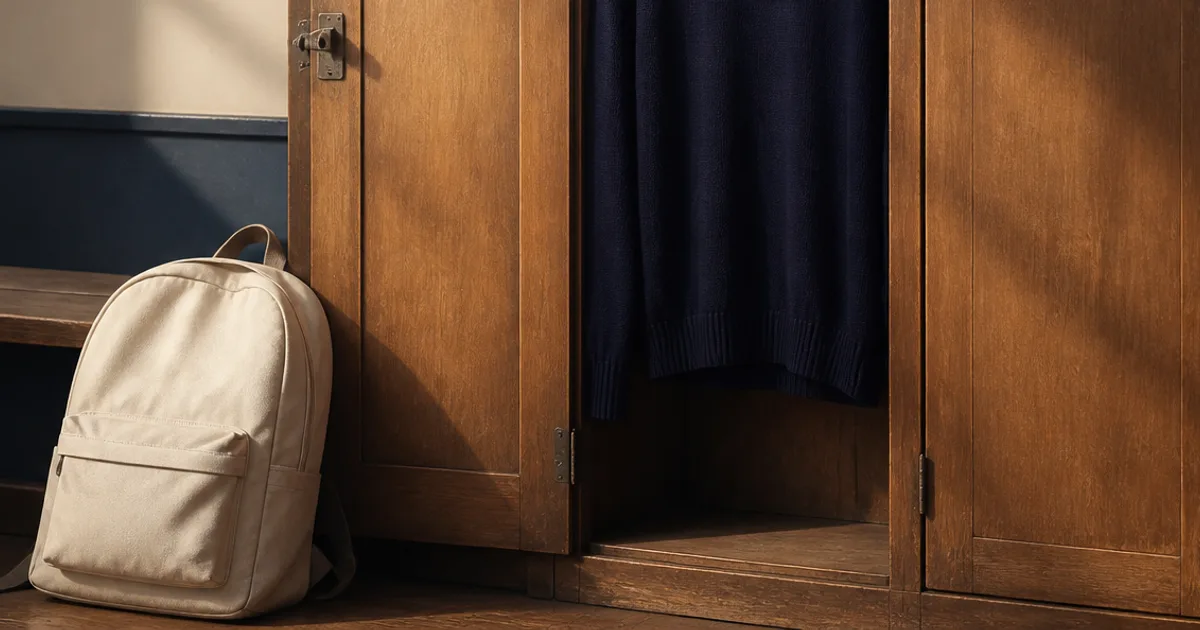
Which uniform pieces hurt most, what UK adaptive schoolwear got right, and how to ask for substitutions when your school has no sensory line — without a fight every Monday.

A map of sensory-friendly and adaptive clothing worldwide: tags, seams, magnets, compression, uniforms, and communication prints — plus the gaps that still hurt daily life.
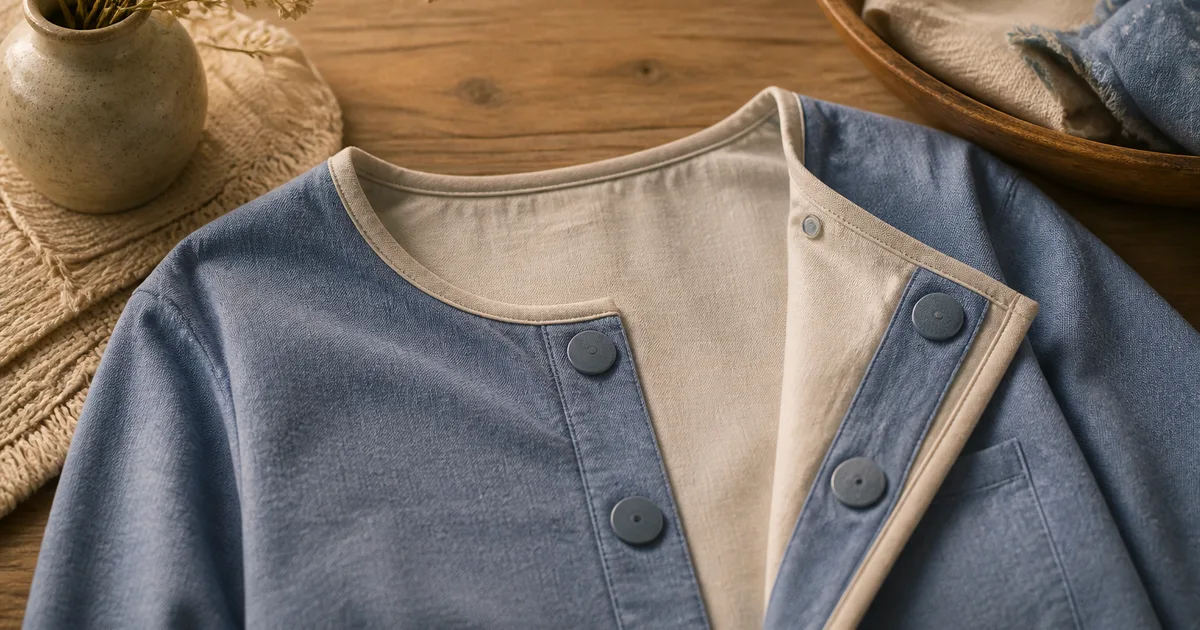
Magnetic closures and seated dressing help some autistic people get dressed; they can also add bulk and noise. How to separate mobility-adaptive design from sensory-first clothing.
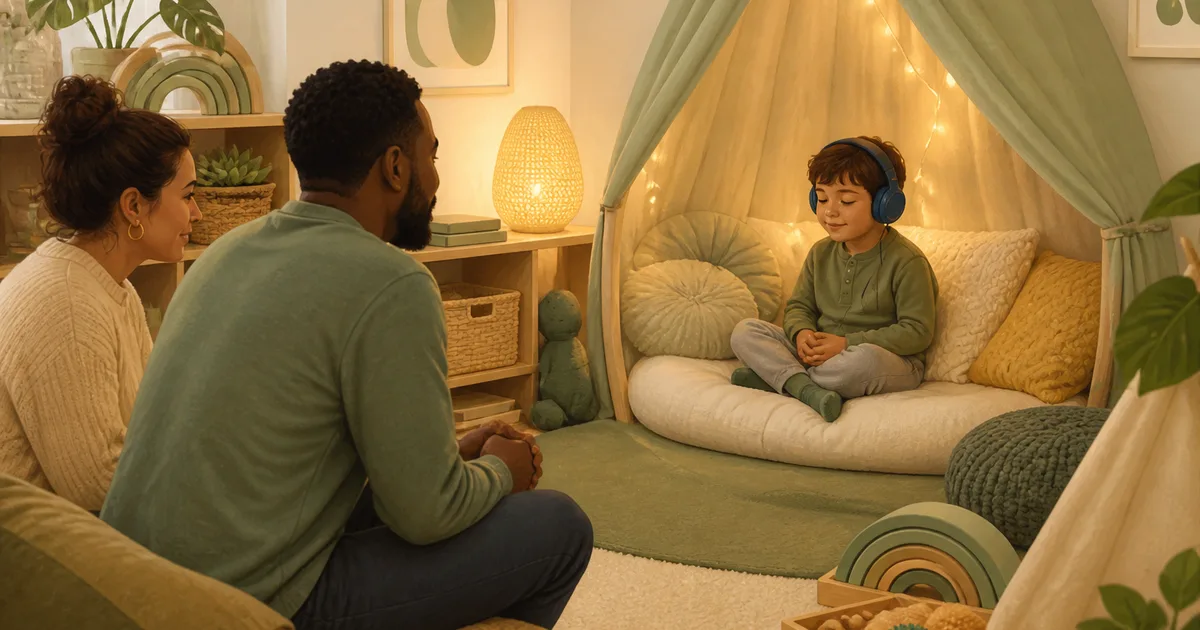
How hyper- and hyposensitivity, sensory seeking, and overload show up day to day; what helps at home and school; how sensory needs intersect with anxiety, eating, and meltdowns; and when to seek OT or medical care.
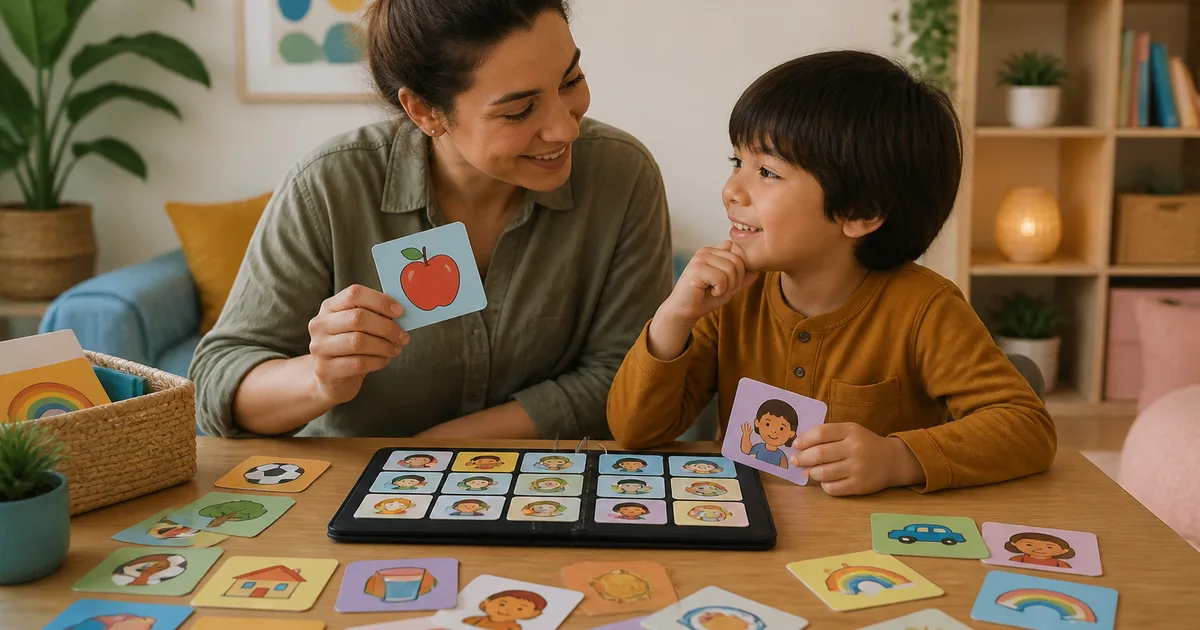
Use visual communication cards at home, school, and outside: starter words, routines, modeling, and respectful AAC support.

Build safer medication routines with schedules, caregiver handoffs, school plans, reminders, and useful notes for clinicians.

Use short, consent-aware ABA-informed practice at home: goals, reinforcement, data, school coordination, and when to seek a BCBA.
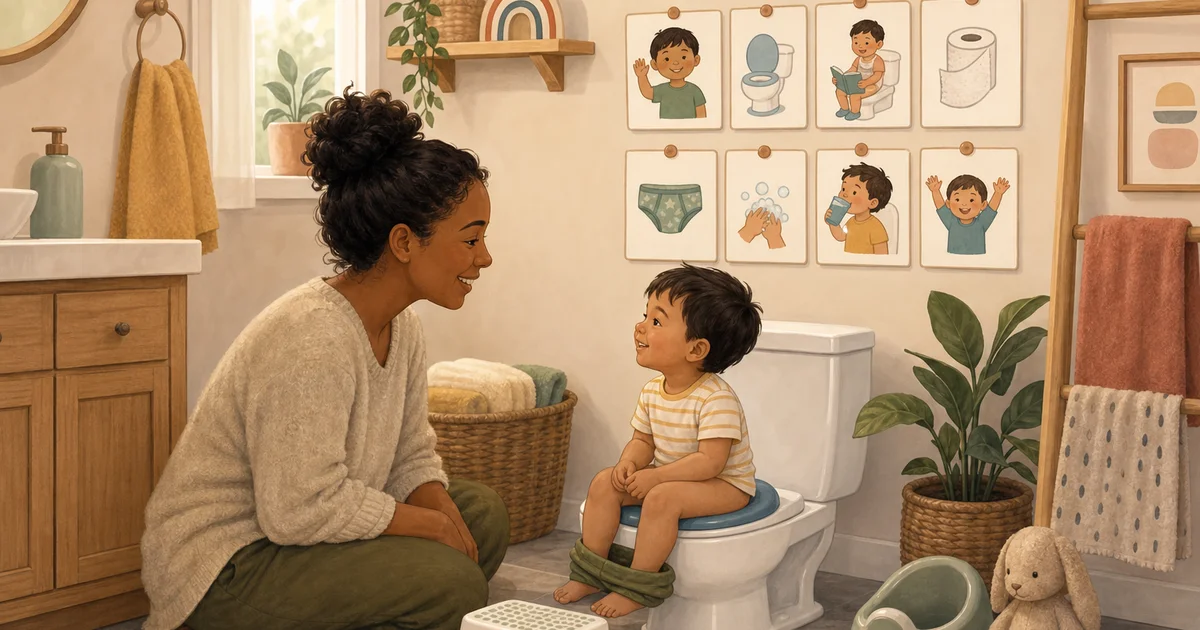
Why potty training often takes longer with autism, how to use visuals, timed prompts, and logging, and when to pause — plus a free parent tool for routines.

What autistic masking is, why people do it, how it shows in kids and adults, links to burnout and anxiety, what research measures miss, and how to reduce costly camouflage without abandoning safety.

What autistic burnout is, how it differs from depression and ordinary job burnout, how masking fuels it, and what recovery and support can look like at home, school, and work.

How to prepare an autistic child for school, build accommodations, handle transitions and sensory load, reduce masking burnout, and partner with teachers without turning every week into a crisis.

How anxiety shows up in autistic kids and adolescents, how it differs from ADHD and OCD patterns, what helps at home and school, when to seek clinical care, and how to avoid overload that fuels burnout.

A full reference for parents, adults, and therapists: what ADHD is, how it shows up across ages, diagnosis, autism overlap, school and work, medication, therapy, and everyday supports — with clear limits of what science can say.

An evidence-based guide for parents and professionals: how ionizing radiation affects the developing brain, what Chernobyl and Fukushima studies show, and whether autism rates rose in exposed populations.
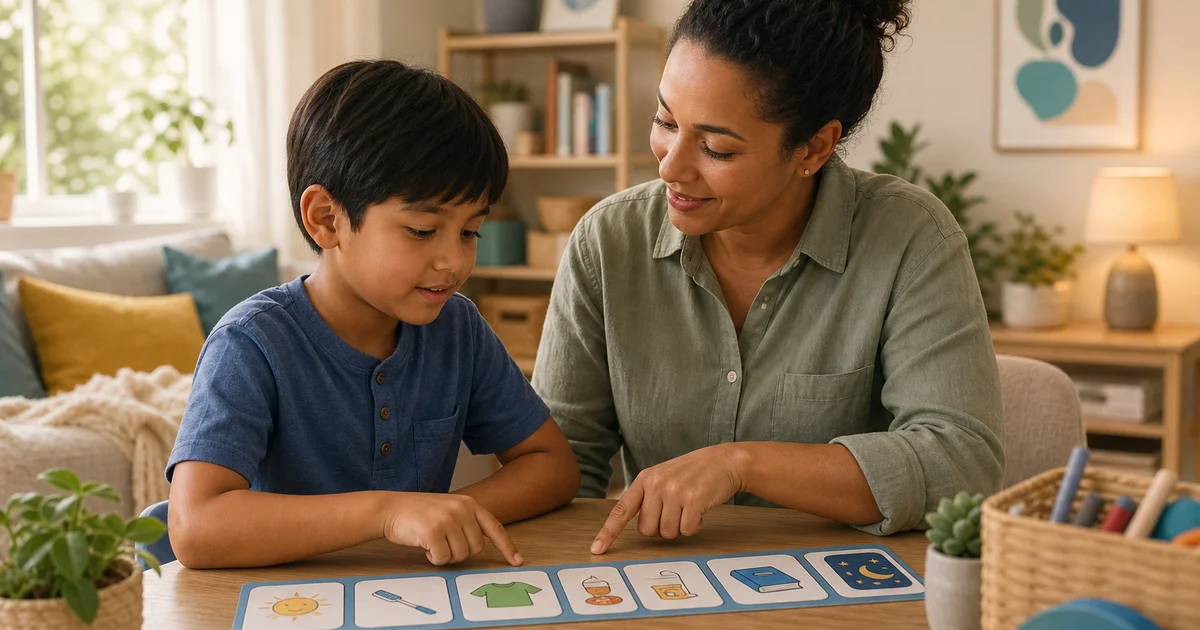
A full overview for parents and therapists: ABA, speech therapy, AAC, occupational therapy, medication, diets, and controversial methods — what research supports and what it does not.
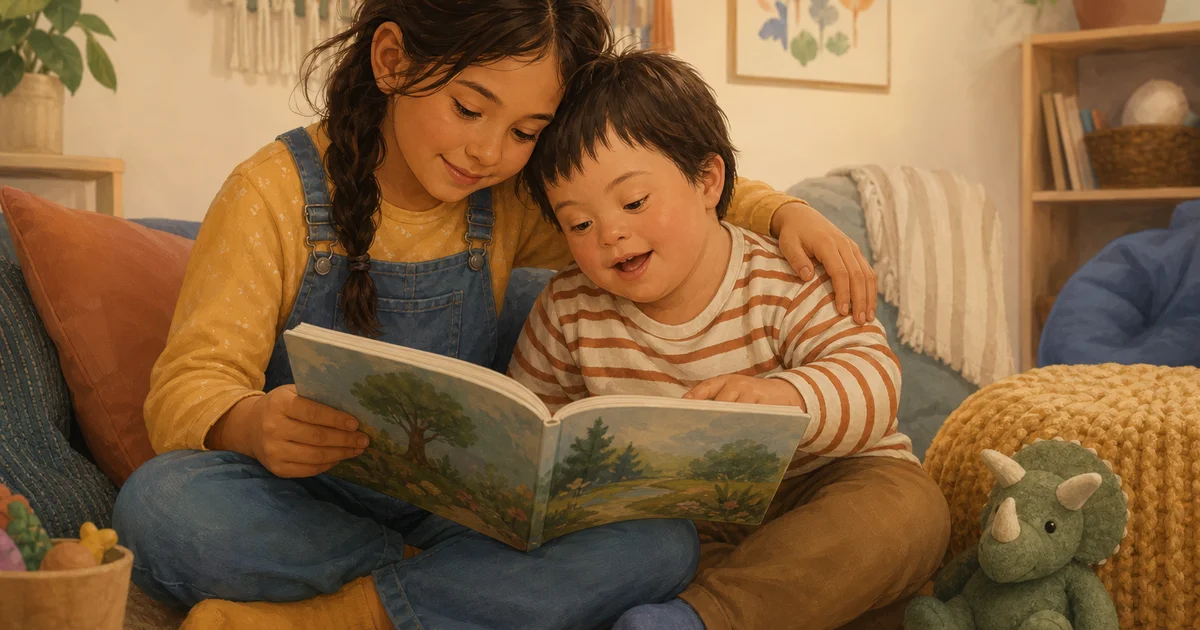
Simple language, books, and routines that help brothers and sisters understand an autistic sibling without fear or blame.

Visual schedules, desensitization steps, and communication tools that make medical appointments less overwhelming.
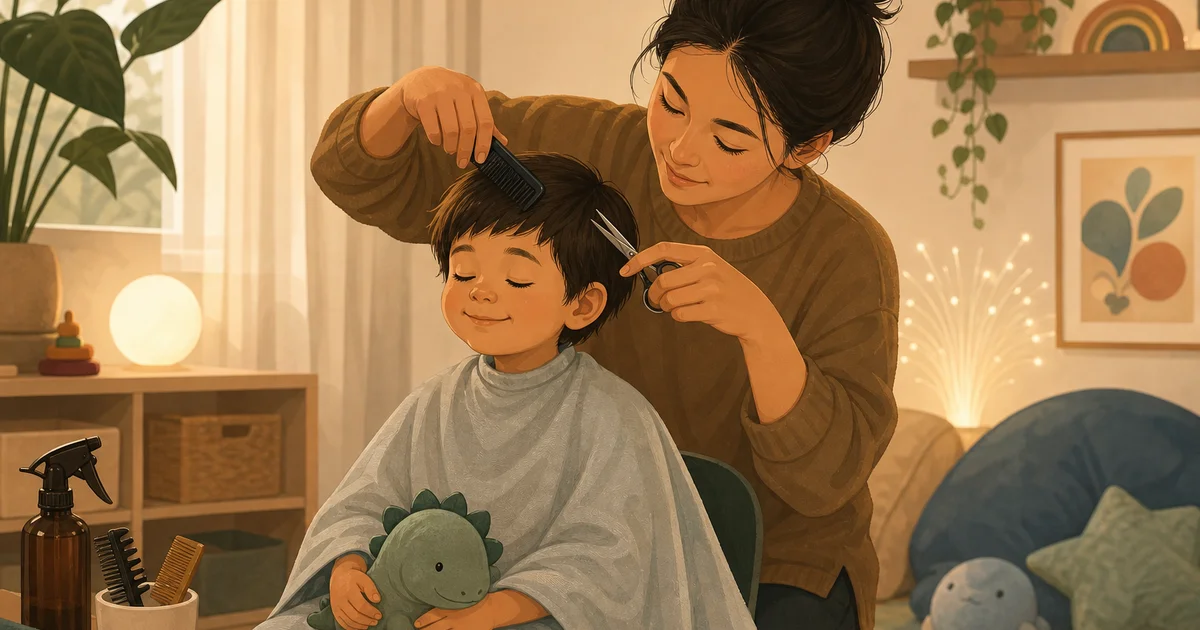
Why haircuts, nail trimming, and tooth brushing can be overwhelming, and practical ways to practice gradually at home.

A clear, evidence-based overview for parents and therapists: diagnosis, prevalence, genetics, what helps, what doesn't, and what researchers still debate.
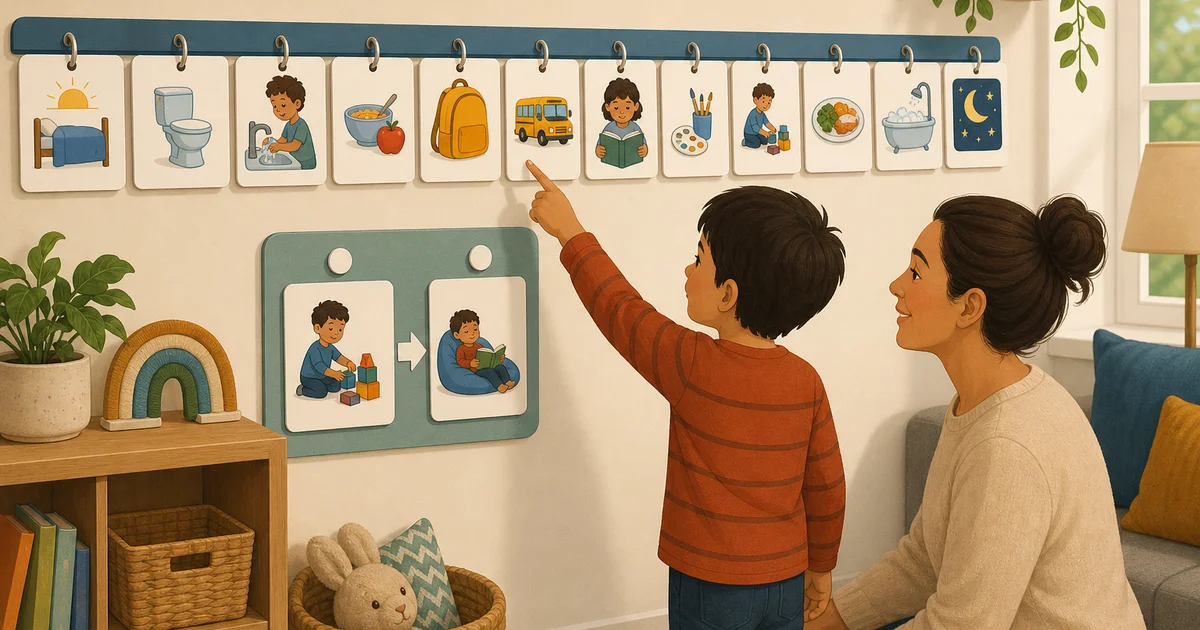
How first-then boards, picture schedules, and now-next cards reduce meltdowns when changing activities — with simple steps to start at home.
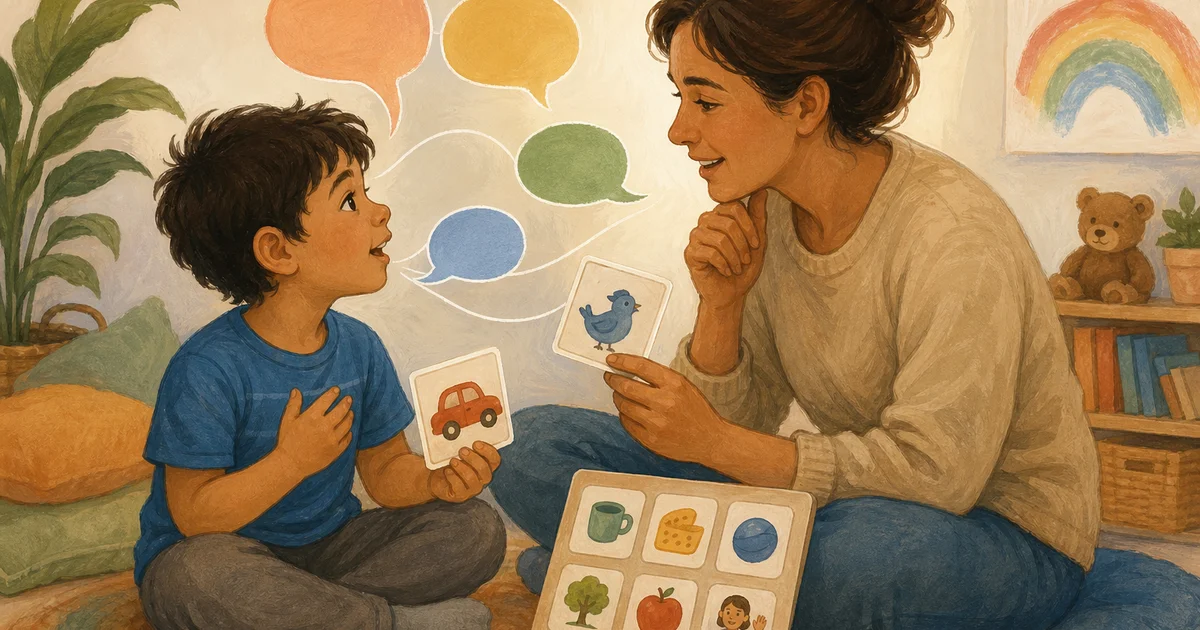
Immediate and delayed echolalia are common in autistic communication. Learn what your child may be doing with repeated words and how to support meaningful language.
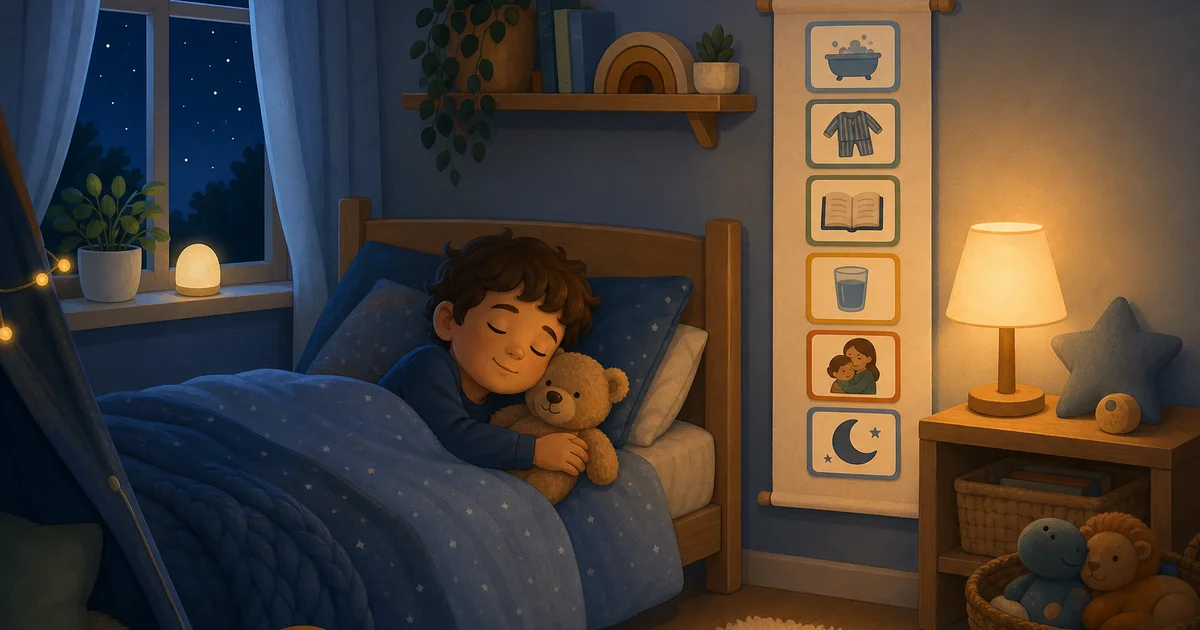
Why autistic children often struggle with sleep, how to build a calming bedtime routine, and when to talk to your doctor about melatonin or other support.

Why many autistic children eat a narrow range of foods, how to expand choices without battles, and when selective eating needs medical attention.
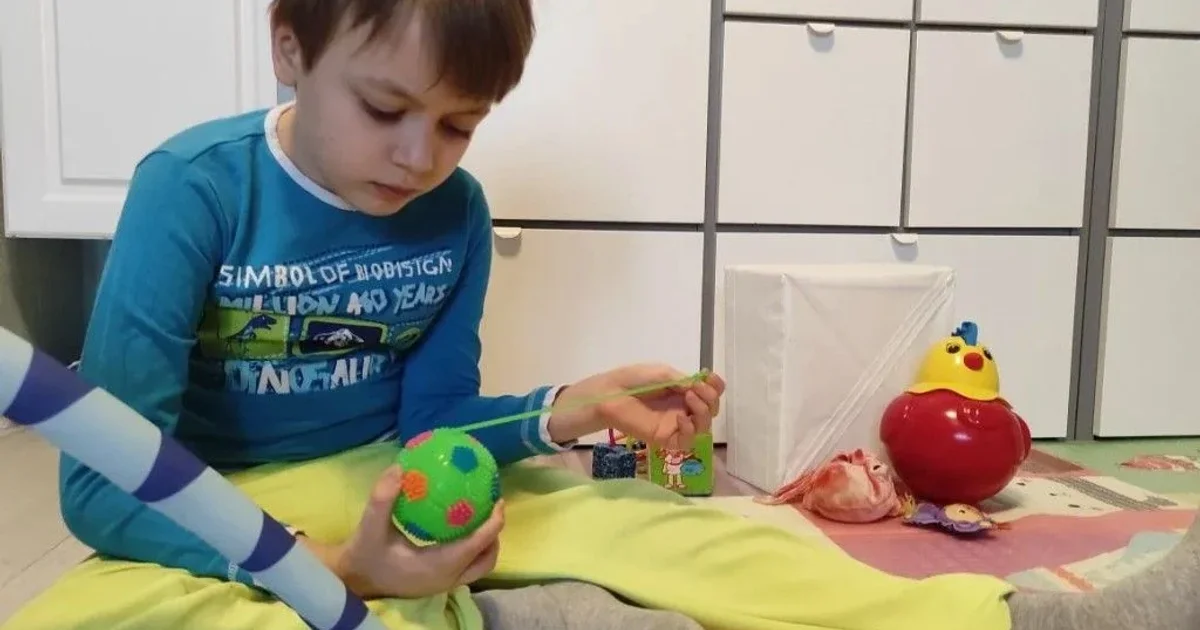
A practical guide for parents: calm home routines, sensory activities, meltdown support, clothing comfort, and rebuilding safe walks with an autistic child.
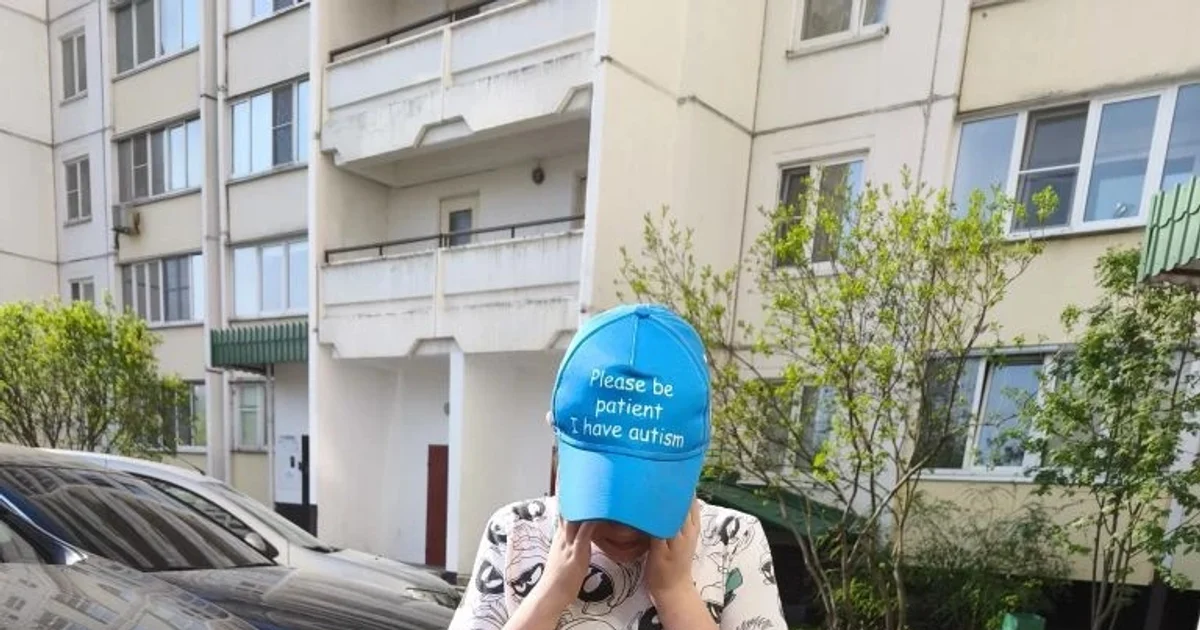
Why caps and T-shirts with short phrases can help autistic children in public — patience, safety, and when this approach is optional.
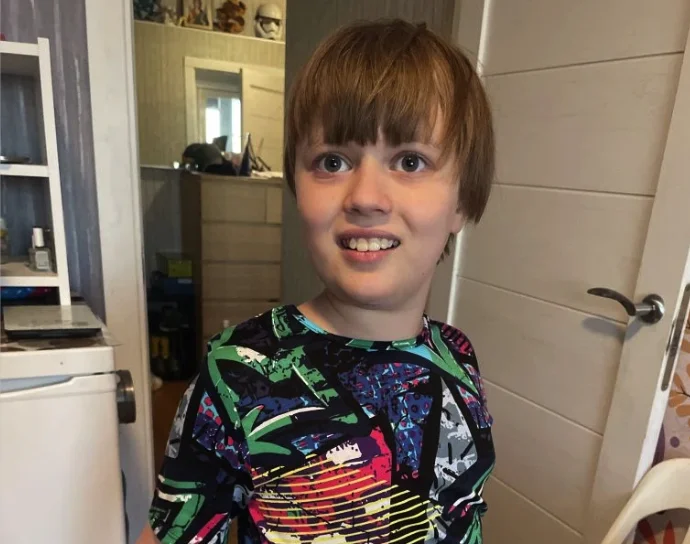
Why children may undress at home, how to separate “home” and “outside,” home clothes, visual cues, and a calm routine—without pressure or shame.
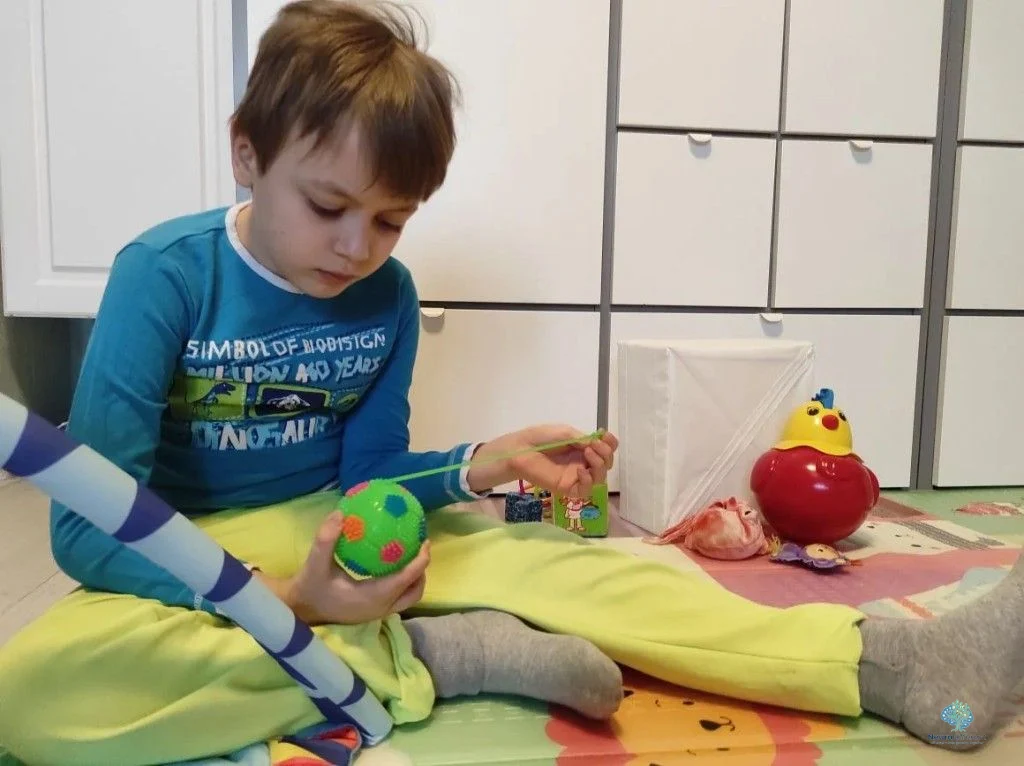
Simple home activities for a child with severe autism: sensory play, sorting, daily-life tasks, guided tablet use, and a short visual routine.
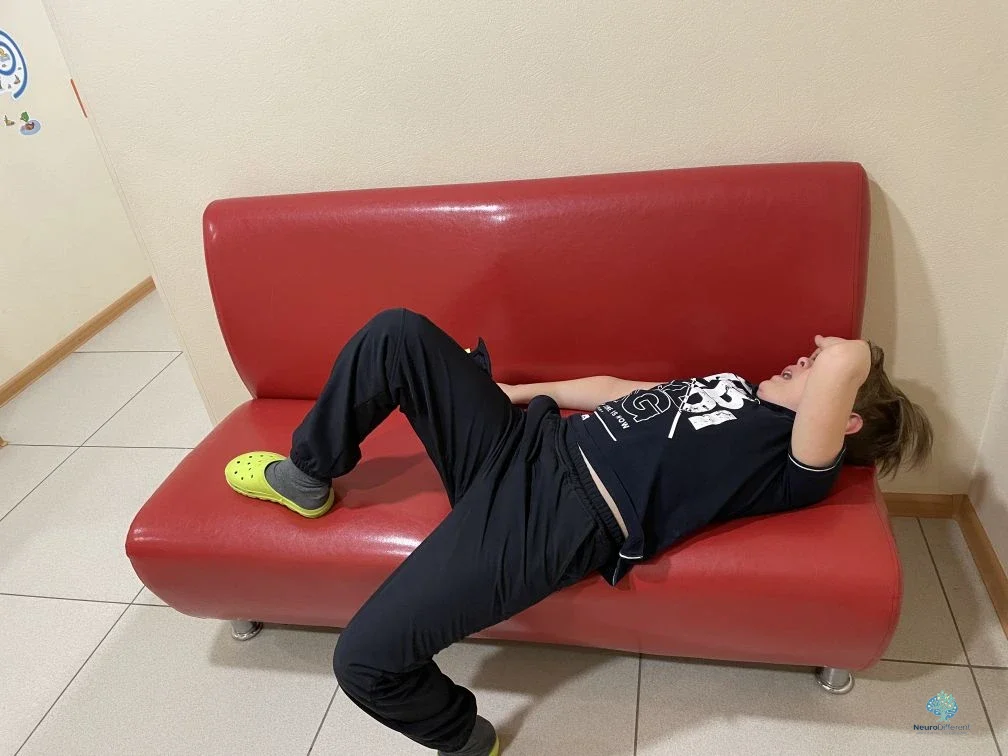
How to support a child through a meltdown safely, co-regulate without shaming, and reduce everyday triggers — written for parents of autistic and non-speaking children.